Who makes the best natural mattress?
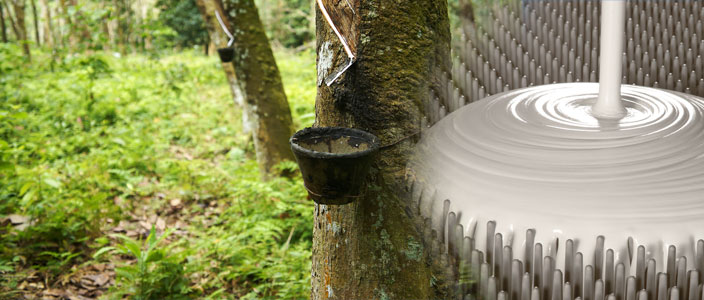
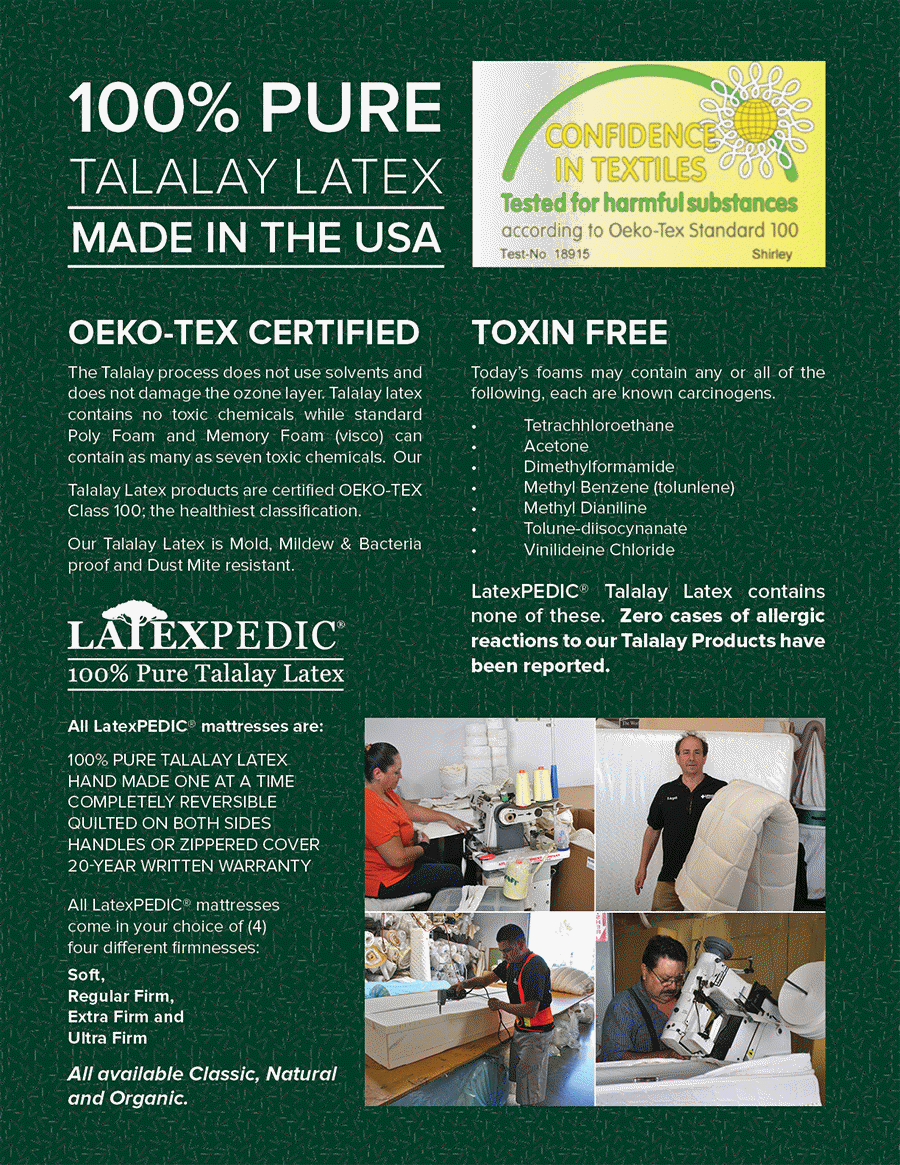
LATEXPEDIC builds its natural mattress from 100% natural Talalay latex, cotton and wool, all latex top to bottom with no polyurethane fillers. Each one is hand-made one at a time in our own factory, completely reversible, quilted on both sides, and covered by a 20-year limited warranty.
Who makes the best organic mattress?
Our organic mattress uses GOLS certified organic latex with organic cotton and wool. It is hand-made, reversible, quilted on both sides, zippered so the latex can be changed, offered in four firmnesses, and backed by a 20-year limited warranty.
Who makes the best latex mattress?
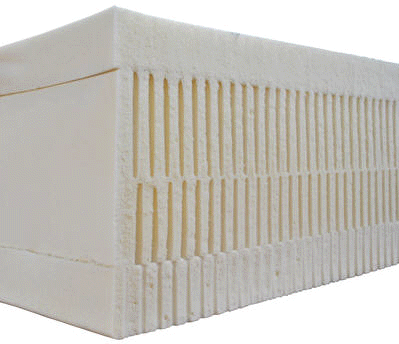
We call ours America's Best-Built Latex Mattresses. Every model is all latex, in GOLS certified organic or 100% natural Talalay, in 7-inch, 10-inch and 12-inch THE ULTIMATE profiles. THE ULTIMATE has three layers and three zippers so every layer can be changed, with no glue.
What is the best mattress for an adjustable bed?
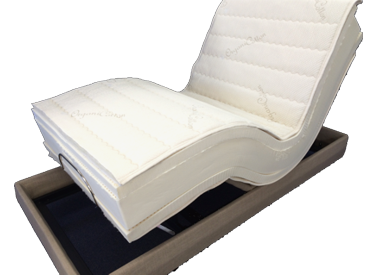
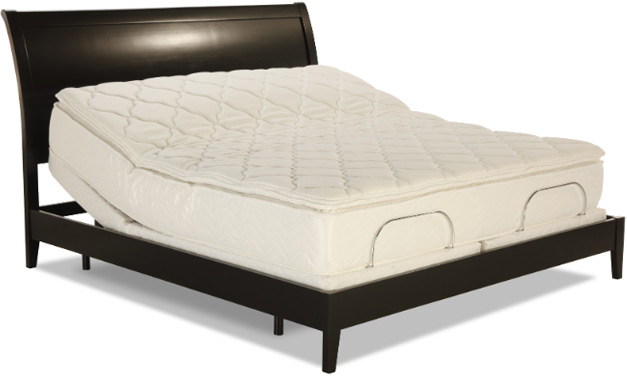
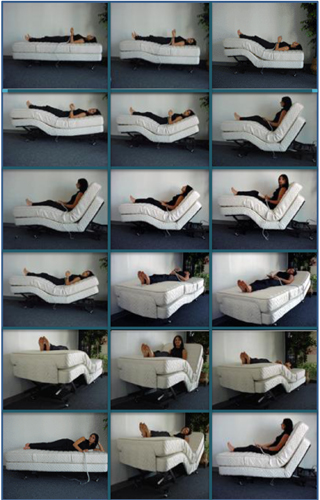
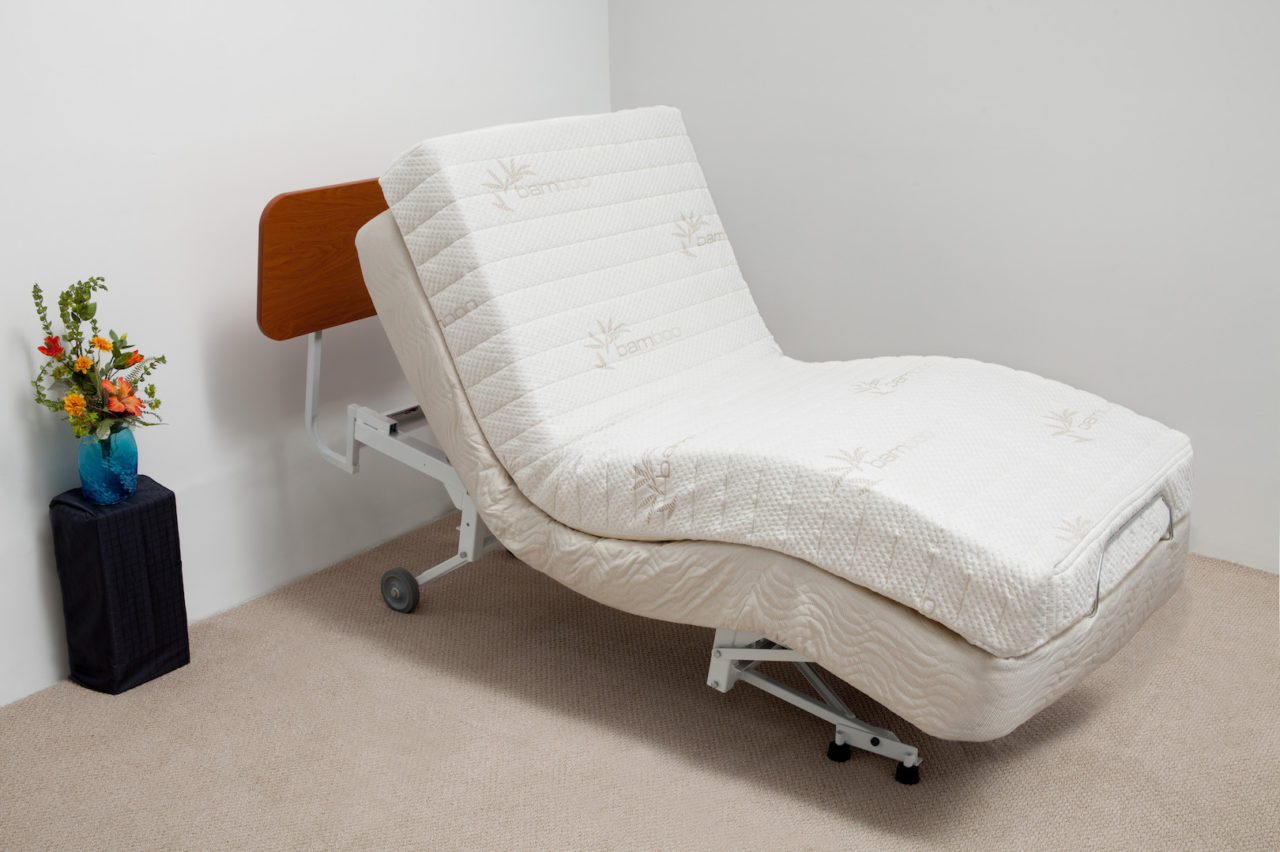
Latex bends and recovers as the base moves. Our 7-inch and 10-inch all-latex mattresses are the most flexible on a motorized base, and as a division of Electropedic, adjustable bed specialists since 1964, we confirm that your mattress size and thickness are approved for your base.
Is a LATEXPEDIC mattress reversible?
Yes. Every LATEXPEDIC is all latex top to bottom and quilted on both sides, so both sides are built to sleep on. Flipping it lets it wear evenly.
What if the firmness isn't right?
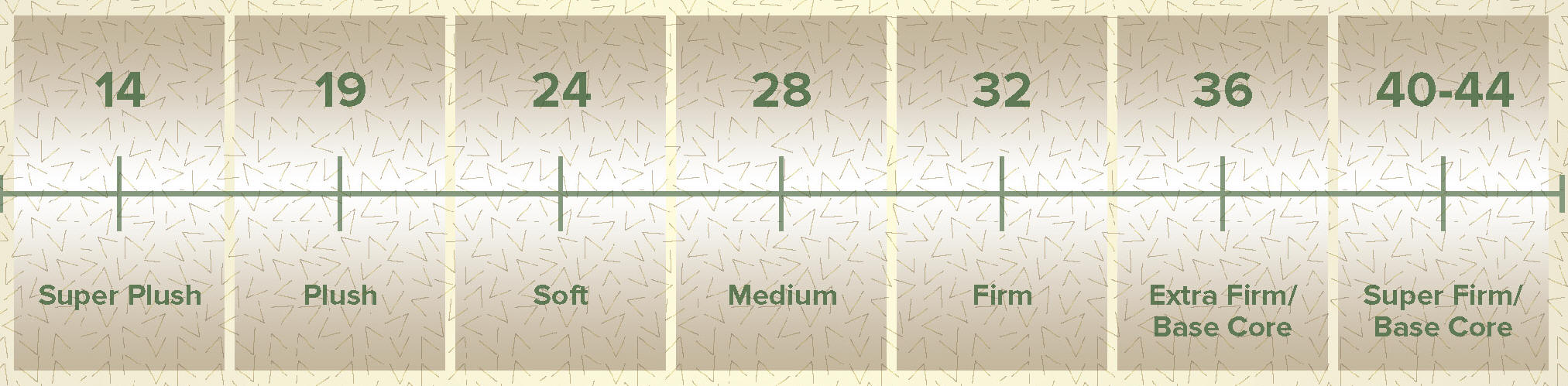
Every model comes in Soft, Regular Firm, Extra Firm and Ultra Firm. Because the cover zips open, the latex inside can be changed. Ask about our 10-day firmness exchange and current terms.
Where can I try one?
At our Burbank Factory Showroom, 907 N. Hollywood Way (800-233-7382), and our Phoenix Factory Showroom, 1035 E. Camelback Rd. (800-733-1818). Open Monday through Saturday 10 to 5 and Sunday 12 to 4.

.png)


%20(1).jpg)
.jpg)
.png)